
Welcome
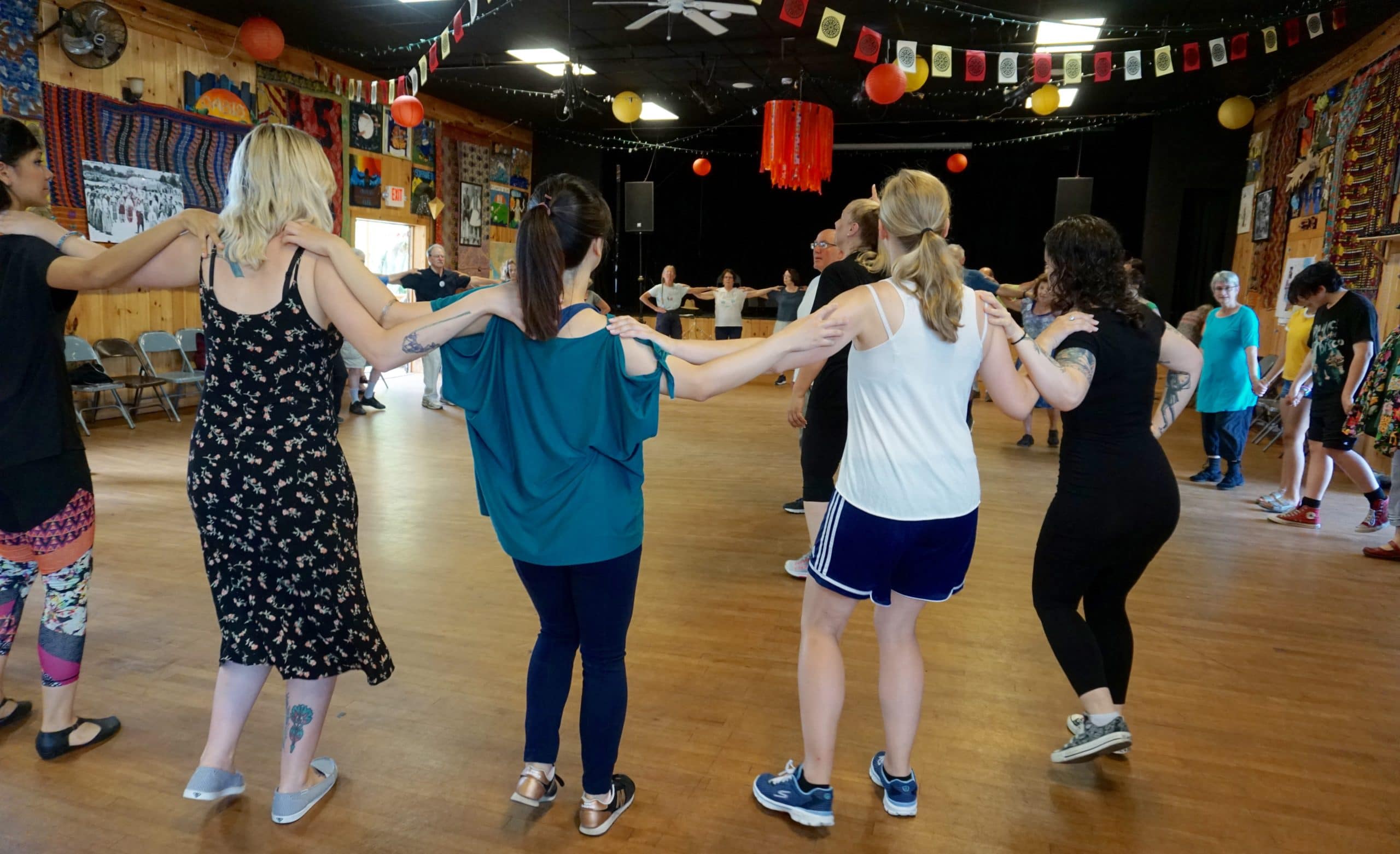
The East European Folklife Center (EEFC) was established in 1982 through the love and dedication of a core group of musicians and dancers. Today, this ever-growing and expanding organization brings together an inclusive, celebratory, and welcoming global community of passionate amateurs and professionals, to respectfully share the richness and complexity of Balkan music, dance, and cultures.
Find out all about our annual East and West Coast Balkan Music & Dance Workshops, affectionately known as Balkan Camp. Learn about the EEFC: how we are structured, how to become a contributor and where you might apply your expertise as a volunteer. Remember to subscribe to the EEFC email Newsletter and get monthly news delivered directly to your inbox.
Balkan Camp 2024—Sign Up Now!
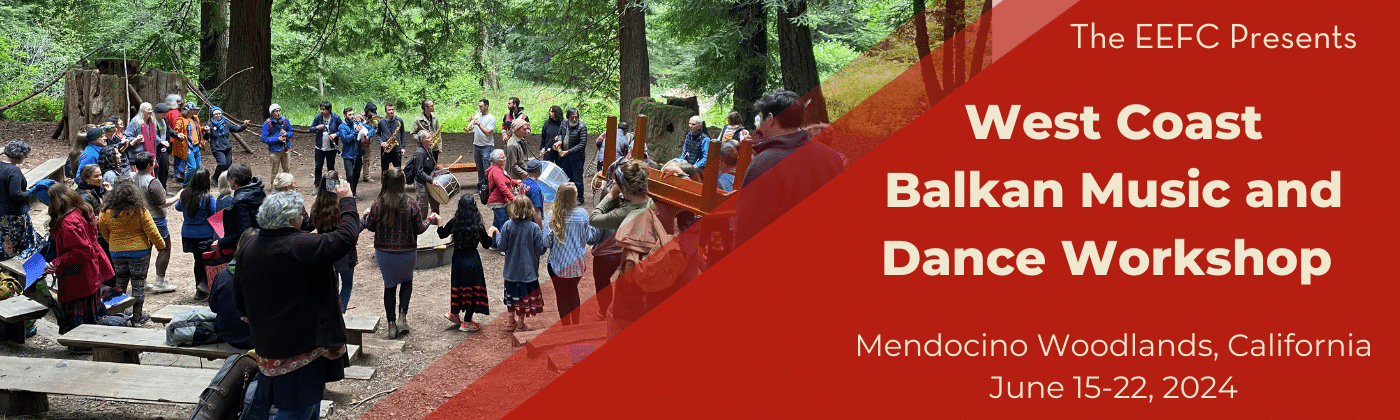
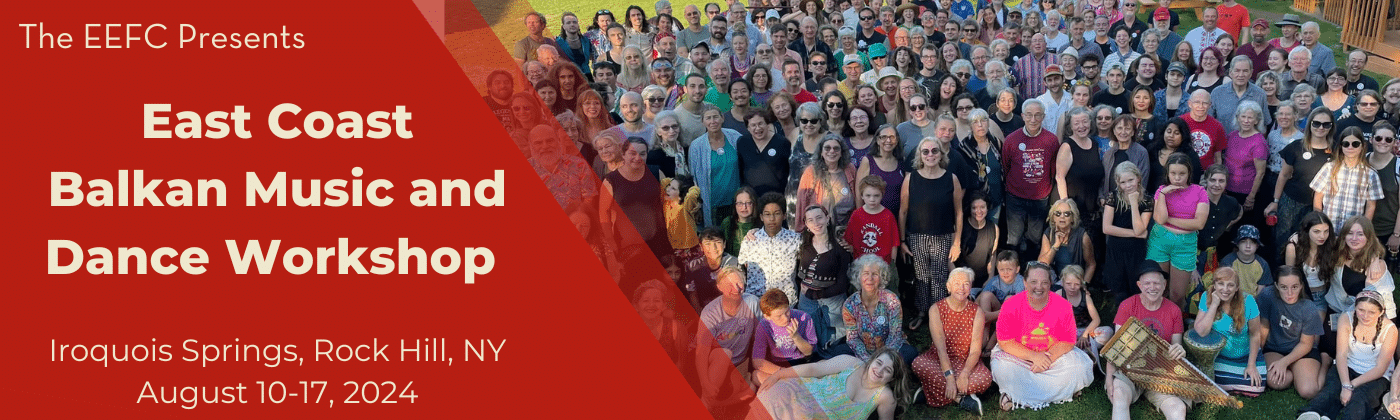
The wait is over, friends! Registration has begun for the 2024 workshops. Visit the West Coast and East Coast camp pages for all the details on the workshops, sites, teachers—and to fill out a registration form. We truly can’t wait to see you at camp this summer.
Online Classes & Events
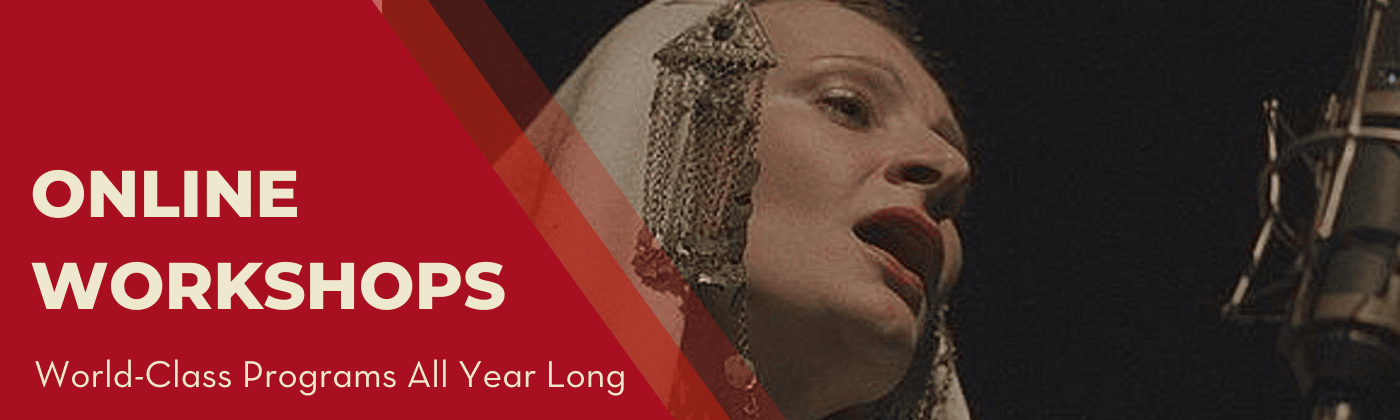
EEFC is thrilled to sponsor exciting live online class series and presentations, taught by our amazing workshop and community teachers. Something for everyone, and new offerings every month!
April 2024 courses: Rhodope Kaba Gajda with Peter Aleksiev-Usmivkata; The “How” of Balkan Singing, 2nd Edition, with Michele Simon; and Hungarian Violin from Gyimes, Transylvania, with Csenge Magyar.
EEFC Blog
Post-Presidential Reflections from Kristina Vaškýs
Spring 2023 Letter to the Community
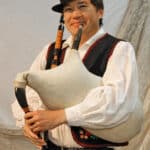
Craig Kurumada Changes Gears
Quick Links
Balkan Music & Dance Workshops
West Coast Camp
East Coast Camp
Scholarships
Online Classes & Events
Store
Join the Circle
Donate
Volunteer
Newsletter Signup
Discussion List
Facebook
Twitter
Instagram
Youtube
What’s Happening
Get in Touch
EEFC
P.O. Box 12488
Berkeley, CA
94712-3488
510/219-5462
office@eefc.org
Contact Form
Follow Us


